About Me

Kericho, Rift Valley, Kenya
A health professional who totally loves adventure of any kind and is this rather average dude who tends to be a bit cautious around new surroundings

Monday, 14 April 2014

Hanging latrines in Dhaka, Bangladesh, where only about 3 percent of its urban population still practices open defecation, an improvement from 6 percent two decades ago. Photo by: Gary White
Almost two decades ago, open defecation was the norm in Bangladesh. Today, the situation has improved dramatically, with more and more people having access to toilets and latrines.
But does the process of waste disposal and management stop there?
Not quite, according to Netherlands-based development organization SNV, which is trying to push the next step in sanitation and hygiene issues in the South Asian nation with innovative solutions that can potentially turn human waste into energy and agricultural products, among other possibilities.
This form of fecal sludge management is a pro-poor approach designed not only to address WASH issues in Bangladesh but also the country’s power, livelihood and agricultural needs.
“The project aims to contribute to a change in the way in which fecal sludge is managed by demonstrating city-wide fecal sludge management services,” said SNV’s senior adviser Rajeev Munankami, adding that once a good process is in place, possibilities are practically endless, although “many puzzles” are needed to be solved first.
Sanitation and hygiene issues have, in one way or another, improved Bangladesh’s overall development, with only about 3 percent of the country’s urban population still practicing open defecation compared to about 6 percent two decades ago.
This data however is nationwide, and the situation in urban areas is not the same as in the countryside, where a quarter of the population is still not engaged in modern waste disposal. Munankami noted that the program plans to address this little by little, targeting one city and two towns in the country once it rolls out.
“The purpose is to demonstrate financially viable and sustainable fecal sludge management solutions,” he told Devex. “It will use a pro-poor market-based approach, developing business models for both toilet upgrading and fecal sludge emptying services, and testing innovative technologies as well as introducing health and safety standards.”
Munankami added that the primary goal is to provide solutions on concerns including integrating business models in public service delivery, identifying clear-cut roles for stakeholders in fecal sludge management, integrating technology in development programs and ensuring that these sanitation programs are truly pro-poor.
Partnerships
Munankami argued that WASH efforts in Bangladesh have been progressive, but lacking innovation.
“Most of the sanitation programs addressing MDG targets have focused more on the access to sanitation, and Bangladesh has done fantastic in terms of decreasing open defecation and increasing toilet coverage,” he noted. “Unfortunately, successful examples of innovative alternative sanitation solutions for managing the sludge at scale are limited in [the country] and the region.”
The SNV official added that the lack of investment in sewage for the whole country, coupled with the lack of “attention to safe fecal sludge management services,” has led to the issue of managing waste, “which are now directly or indirectly being disposed in the water bodies without treatment, polluting the environmental health … of the population.”
Partnerships will play a key role in this endeavor, Munankami stressed, not only in terms of capital and technical investment, but also in engaging the local communities making the initiative more empowering and sustainable.
“The project will work closely with communities … to develop service models that are safe, affordable and generate employment and income,” he explained, noting that part of this partnership approach is the aim of changing the behavior of the people toward WASH.
Implemented by SNV, the Bangladeshi government and the local chapter of WaterAid, the program will first be put under study as there are many “pieces of the puzzle yet to be solved” before viable solutions including energy generation could be in place.

Wednesday, 29 January 2014

AFYA YA MAMA NA MTOTO PROJECT KAKAMEGA COUNTY

I have been keenly following H.E The Governor of Kakamega County Dr. Oparanya's maternal safety programme which was launched a fortnight ago. It seems to me like this programme was initially launched some time in June last year 2013 at Bukaya Health Center in Mumias District. My main interest came in to this initiative when I learned of it early this year and I tried to look at the details of the programme. 
Firstly, this is Community Based Maternal and Newborn Health and Nutrition project, supported by the Micronutrient Initiative with funding from the Canadian International Development Agency (CIDA) in partnership with the ministry of health. The project is  in collaboration with the United Nations International Children Education Fund (Unicef) as a five-year programme. 
Oparanya revealed that official statistics indicate Kakamega contributes to a high burden of child deprivation with a high percentage of under five mortality owing to its high poverty level. Marcel said statistics show over half of the mortality cases involve pre-birth and infancy periods as a result of ignorance, among mothers.
He added that only a small number of mothers visit antenatal clinics, have little access to contraceptives and there is lack of adequate trained personnel in health facilities. The county’s high rate of maternal deaths has remained unchanged for a lengthy period because most women prefer delivering at home under the care of unskilled traditional midwives, partly attributing it to inability to afford the cost of hospital visits.
Scattered health facilities in remote areas and poor road networks make access difficult hence contributing to the high mortality rate. The programme is hinged on setting an excellent foundation for the first 1,000 days of infancy and maternal nutritional value for five years. This is geared towards rehabilitating and maintaining maternal health medical facilities in rural areas.
Unicef, through the programme, seeks to ensure funds are channelled directly to health facilities and employing own staff and keeping them motivated. A report on Maternal Newborns and Child Health in the Countdown to 2015 shows that poor care of children at tender age leads to retarded growth with low brain capacity.
“Most of our children are academic dwarfs and we no longer produce best soccer players due to this challenge yet it is something the government can afford to reduce if you ask me,” said Oparanya. The Unicef officials proposed for sensitisation of the womenfolk in villages on the importance of attending ante-natal clinic, and educate men on their responsibilities in ensuring wives are well taken care of for a safe delivery.
the Community Based Maternal and Newborn Health and Nutrition project, supported by the Micronutrient Initiative with funding from the Canadian International Development Agency (CIDA) in partnership with the ministry of health. - See more at: http://www.kakamega.go.ke/index.php/government/excecutive/governor/9-governor-s-speech-on-the-launch-of-linda-afya-ya-mama-na-mtoto#sthash.Z3ymWy7W.dpuf

Google buys DeepMind; inks patent deal with Samsung

Google buys DeepMind; inks patent deal with Samsung

Thursday, 21 March 2013

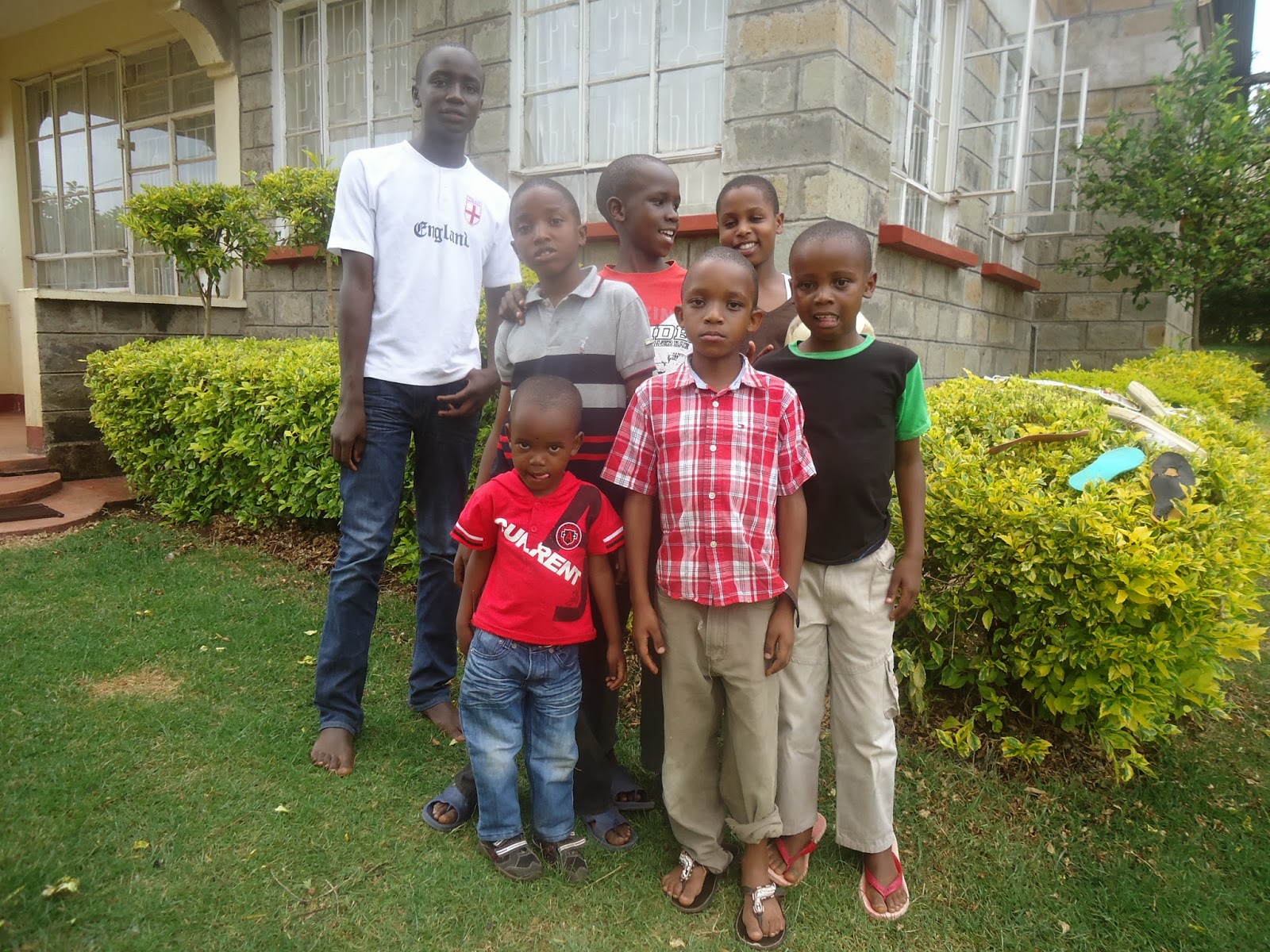
Children's Corner


Thu 7th March 2013, it was a nice visit our lovely sister at her home. The idea was preconceived on 4th when we met at the polling  station and agreed to go see her that following Thursday.


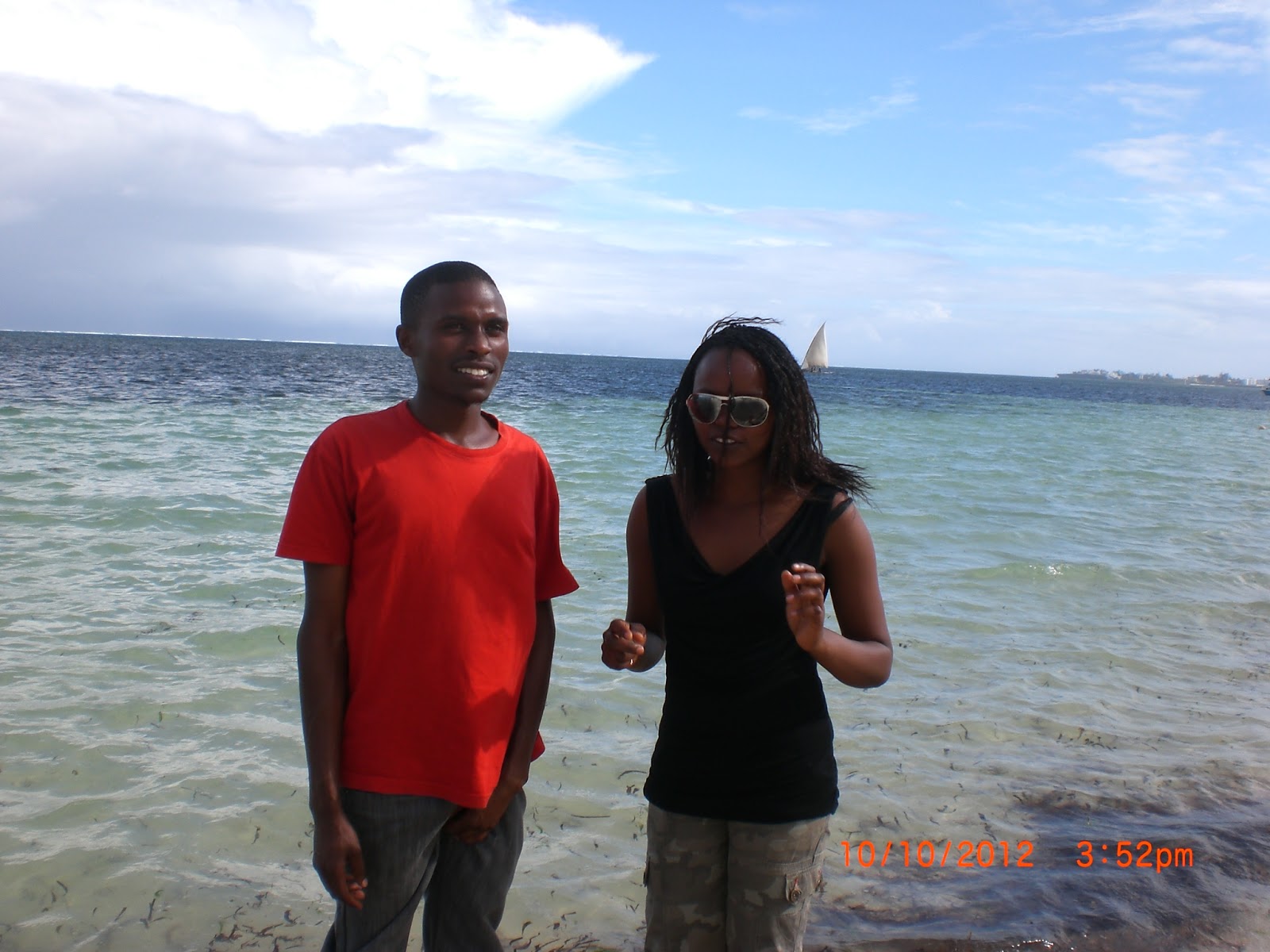
Beach Moments


When time calls that you move out to the beach and have unlimited fun. This was the afternoon of 10th October 2012 at the Severine Sea Lodge in Mombasa Kenya, the first time I swam on the salt waters of The Indian Ocean. I actually never imagined that the beach waters could be so salty but on this particular day                  I experienced it. It was an adventurous moment  I can say